


How modern agencies are actually using AI to drive growth
Beyond the Hype: The Quiet Revolution of AI in Marketing
For decades, the marketing world has been defined by a relentless pursuit of more. More traffic, more leads, more data. Yet, as we stand at the intersection of human creativity and artificial intelligence, the conversation is beginning to shift. Modern agencies are no longer looking at AI as merely a tool for speed; they are viewing it as a mirror that reflects our own strategies, forcing us to ask deeper questions about what growth actually looks like in a digital age.
The true power of AI in the hands of a thoughtful agency isn't found in the ability to generate a thousand generic blog posts in an hour. Instead, it lies in the quiet revolution of augmentation—the synergy where machine precision meets human empathy. We are moving away from the 'growth at all costs' mindset and toward a philosophy of intentionality.
From Data Points to Human Stories
Data has always been the lifeblood of digital marketing, but for a long time, we were drowning in it. Agencies spent more time organizing spreadsheets than they did understanding the people behind the numbers. AI has changed this dynamic by acting as a filter, distilling vast oceans of information into actionable narratives.
When we use AI to analyze consumer behavior, we aren't just looking for clicks. We are looking for intent. Modern agencies are leveraging machine learning to identify the subtle nuances in a customer’s journey—the moments of hesitation, the points of friction, and the sparks of genuine interest. This allows us to move beyond broad demographics and toward a more profound understanding of the individual.
Predictive Analytics as a Compass
In the past, marketing was largely reactive. We launched a campaign, measured the results, and adjusted for the next cycle. Today, AI provides a compass through predictive analytics. By analyzing historical patterns, modern agencies can anticipate market shifts before they happen. This isn't about fortune-telling; it’s about preparation. It allows us to align our clients' goals with the future needs of their audience, ensuring that growth is not just a temporary spike, but a sustainable trajectory.
The Human-Machine Partnership: A New Creative Standard
There is a lingering fear that AI will replace the creative soul of marketing. However, the most successful agencies are finding the opposite to be true. By automating the repetitive, cognitive tasks that once consumed our days, AI is actually freeing us to be more human. It is pushing us to lean into our intuition, our ethics, and our ability to tell stories that resonate on an emotional level.
How are agencies practically applying this to drive growth? It’s not through one-size-fits-all automation, but through personalized experiences that feel earned. Here are a few ways AI is being integrated into the modern growth strategy:
- Hyper-Personalized Content Journeys: Using AI to serve the right piece of content at the exact moment a user needs it, fostering a sense of being 'seen' by a brand.
- Enhanced Lead Scoring: Moving beyond basic CRM data to identify high-value prospects based on complex behavioral signals, ensuring sales and marketing are perfectly aligned.
- Sentiment Analysis: Monitoring brand perception in real-time across social platforms to address concerns before they escalate and to double down on what customers truly love.
- Dynamic Creative Optimization: Testing thousands of visual and copy variations to see what truly resonates with different audience segments, minimizing waste and maximizing engagement.
The Shift Toward Quality Engagement
As we have explored in our recent discussions on quality engagement over raw traffic, the digital landscape is becoming increasingly crowded. AI allows agencies to cut through the noise. Instead of shouting louder, we are using technology to speak more clearly. Growth today is measured by the depth of a relationship, not just the width of a reach.
By using AI to handle the 'what' and the 'how,' marketers are finally able to focus on the 'why.' Why does this brand matter? Why should a customer trust us? Why does this product solve a real human problem? These are questions an algorithm cannot answer, but it can certainly provide the space for humans to explore them more deeply.
Finding the Soul in the Algorithm
As we look toward the future of Agile Digital Marketing, the integration of AI feels less like a technical upgrade and more like an evolution of our craft. We are learning to use these tools not to replace the human touch, but to amplify it. The agencies that will thrive are those that recognize AI as a partner in the pursuit of excellence.
Growth is a journey, not a destination. It requires constant reflection, a willingness to adapt, and a commitment to providing genuine value. AI gives us the power to scale that value, ensuring that as our clients grow, they do so with a foundation of data-driven wisdom and human-centric strategy. In this new era, the most powerful tool we have is still our ability to connect—AI simply helps us find the way.


The Growing Shift Toward Quality Engagement Over Raw Traffic Volume
The Great Decoupling: Why Clicks No Longer Equal Success
For over a decade, the primary barometer of digital marketing success was deceptively simple: traffic. If the graph moved up and to the right, the strategy was working. Marketing departments celebrated millions of page views and high click-through rates as the ultimate proof of brand health. However, a quiet but profound shift is occurring across the digital landscape. Today, industry leaders are realizing that raw traffic volume is a vanity metric that often masks a deeper lack of resonance.
We are entering an era of 'quality over quantity.' As the digital space becomes increasingly saturated, the focus has shifted from attracting the largest possible crowd to cultivating the most meaningful interactions. This editorial explores why the obsession with volume is fading and how engagement has become the new gold standard for sustainable growth.
The Vanity Metric Trap: The Hidden Cost of Low-Intent Traffic
The pursuit of raw traffic volume often leads brands down a path of diminishing returns. In the race to capture eyeballs, many organizations have historically relied on clickbait headlines, broad SEO targeting, and aggressive paid acquisition. While these tactics succeed in inflating visitor numbers, they frequently attract 'low-intent' users—individuals who click out of curiosity but have no genuine interest in the brand or its offerings.
The result is a high bounce rate and a diluted brand message. From an editorial perspective, this approach treats the audience as a commodity rather than a community. When a brand prioritizes volume over value, it risks alienating its core demographic in favor of a transient audience that will never convert. In 2024, the cost of customer acquisition is rising, making it financially unsustainable to pay for traffic that doesn't engage.
The Algorithmic Pivot: Search Engines Demand Depth
It isn't just marketers who are changing their tune; the platforms themselves are forcing the issue. Search engines like Google have undergone a series of updates designed to prioritize 'helpful content' and user experience. The algorithms are now sophisticated enough to distinguish between a page that provides genuine utility and one designed merely to capture a keyword.
Metrics such as dwell time, scroll depth, and repeat visits are now critical indicators of content quality. If a user lands on a site and immediately leaves, the algorithm interprets this as a failure of relevance. Consequently, sites that focus on high-quality engagement are being rewarded with better visibility, while those chasing raw volume through thin content are seeing their rankings slip.
The Rise of the Informed and Skeptical Consumer
The modern consumer is more digitally savvy than ever before. They are weary of intrusive ads and empty promises. Journalistic analysis of consumer behavior suggests a growing preference for brands that provide depth, transparency, and education. Today’s buyers don’t just want to be sold to; they want to be understood.
When a brand focuses on quality engagement, it creates a 'value exchange.' By providing insightful articles, interactive tools, or community-driven platforms, the brand earns the user’s time and trust. This trust is the foundation of brand loyalty, which is far more valuable than a one-time click. Engagement signifies that the content has resonated on a psychological level, moving the user from a passive observer to an active participant in the brand’s ecosystem.
Strategic Shifts: How to Prioritize Engagement Over Volume
Transitioning from a volume-centric model to an engagement-focused one requires a fundamental shift in strategy. It involves moving away from 'wide-net' marketing and toward a more surgical approach. To thrive in this new environment, businesses must focus on the following pillars:
- Niche Content Authority: Instead of covering broad topics, brands should aim to be the definitive resource for specific, high-intent niches.
- Interactive Experiences: Utilizing polls, quizzes, and calculators to transform passive reading into an active experience.
- Community Building: Fostering spaces—whether on social media or private forums—where users can interact with each other and the brand.
- Personalization: Delivering content tailored to the user’s specific journey, ensuring every touchpoint feels relevant.
- Long-Form Value: Investing in deep-dive guides and whitepapers that solve complex problems, encouraging longer dwell times.
Redefining ROI: Measuring What Truly Matters
If raw traffic is no longer the primary KPI, how should agencies and brands measure success? The shift toward engagement requires a new set of metrics that reflect the health of the customer relationship. We are seeing a move toward measuring 'Customer Lifetime Value' (CLV) and 'Brand Sentiment' rather than just immediate conversions.
A user who visits a site five times a month, spends ten minutes per session, and shares content on social media is infinitely more valuable than a hundred users who visit once and leave after five seconds. High engagement is a leading indicator of future revenue, lower churn rates, and organic brand advocacy. By focusing on the quality of the interaction, marketers are building a more resilient and profitable business model.
Conclusion: The Future is Deep, Not Wide
The digital marketing world is maturing. The 'Gold Rush' of early internet traffic, where any click was a good click, has ended. In its place is a more sophisticated landscape where the depth of a brand’s connection with its audience determines its longevity. For agencies and businesses alike, the path forward is clear: stop counting the people you reach and start reaching the people who count. By prioritizing quality engagement over raw traffic volume, brands can move beyond the noise and build something truly sustainable.
Take Your Business or Nonprofit to Greater Heights
Take Your Business or Nonprofit to Greater Heights
Our Partners
Marketing Solutions That Work
WHAT WE DO?
A one-stop shop for all of your marketing and growth needs
Convert More Leads withan Optimized Website
Generate more leads withInbound Marketing
Drive more Traffic to your Website withPaid Advertising
Attract more Customers withSEO
Benefits
Increase your ROI
Lift your Revenue Growth
Attract Quality Leads
COMMITTED TO PROVIDE QUALITY
Named a Clutch Top Digital Marketing Agency in San Francisco!
Hear From Businesses Like Yours
Nonprofit
Property management
Manufacturing
Start Building Your Growth Plan With Helpful Content, Tips and Tools
Bay Area HubSpot Web Design: Unlocking the Power of Inbound Marketing
Selecting The Best-Fit Agency for Your Business or Non-Profit
Why a HubSpot Website Is the Ultimate Solution for Data Collection
Are you Prepared to 1.5x, Double or Triple your Company Growth?
Contact Us
Growth Services
Industries we Help
Growth Resources
Affordable growth services with experts in coaching, advising, website and software implementation
Your path is unique. Over many years, we decided to respond by replacing cookie-cutter marketing techniques with a customized approach for every client. We take into account your current situation and growth goals; and the way your customers and prospects like to receive content. You get a Playbook that includes, at its core, your target audience and their questions, needs, and challenges.
Shift from many pieces of software to a single centralized platform so you and your team move from inefficient processes to quality and efficient processes.
Your leads may get entered into your CRM but you may be frustrated that you’re not maximizing your CRM -- you know it can do more for your business. Chances are you’re here because you’re seeking a pragmatic guide who will seek to understand your business and present the best solutions to the variety of needs and challenges your business currently faces.
Reach more people, fuel your pipeline, and attract more buyers through a well-defined journey that matches your customer's needs for timely and informative content. -- Get a consistent stream of leads every month and fuel your sales pipeline with leads that fit the ideal client you are looking for with a tailored lead generation strategy to help you achieve your revenue goals.
Grab the attention of your ideal customers with strategic paid placements of your content so they can match their intent with the awesome services and products your company provides. You’ve answered their need in a fraction of the time it would normally take. Prospects become customers and refer their colleagues, friends, and business partners.
Your prospects have questions they want answered. Applying proven techniques, your content will answer their questions and pave the way for them to engage and eventually become new customers. Effective SEO is hard to find. When done right, SEO not only attracts to your website new visitors and quality leads but also new customers, positioning your business as a leader in your industry and increasing your ROI.
With tailored strategies to meet your customers where they are, increase your customer acquisition with a lower cost per lead or purchase.
Boost your company revenue generation capability identifying opportunities with better reporting, help your decision-making process become easier with streamlined processes based on data.
Get the leads your business needs to fuel your growth goals turning marketing efforts into a sustainable channel to power your sales generation.
Agile Digital Marketing only delivers high-quality work and gives you the results you need. In 2018, we received a certification from Clutch as one of the Top Marketing Agencies in San Francisco.
Get a glimpse of how we work and what we can do to help your business. Below are some of our successful projects. Let’s walk through the steps from goal setting to onboarding to executing on the plan and finally the achievements.
Read about Clunkers4Charity.com, a website and platform we created for this Rotary International sponsored nonprofit. Additional solutions: Google Ad Grant, SEO, Social and Donor Form support.
Meet Greg from Keyrenter East Bay and how he used Agile services to ramp up lead volume and boost competitive advantage -- this led to significant growth in new "doors".
Get to know how Meta Design Manufacturingused Agile services to lay out a strong foundation for growth and increasedqualitytraffic and positioning in each target market.
Learn more about growing your business and building that road map to success through our library of relevant and helpful resources.
If you’re ready to say YES to a growth plan that works, then speak with us today. One of our highly capable team members will be ready to reach out and help you get the right set of solutions for your business needs.
Copyright 2022. Agile Digital Marketing, Walnut Creek, San Francisco, Salt Lake City
Take Your Business or Nonprofit to Greater HeightsAffordable growth services with experts in coaching, advising, website and software implementation
Affordable growth services with experts in coaching, advising, website and software implementation
Your leads may get entered into your CRM but you may be frustrated that you’re not maximizing your CRM -- you know it can do more for your business. Chances are you’re here because you’re seeking a pragmatic guide who will seek to understand your business and present the best solutions to the variety of needs and challenges your business currently faces.
Reach more people, fuel your pipeline, and attract more buyers through a well-defined journey that matches your customer's needs for timely and informative content. -- Get a consistent stream of leads every month and fuel your sales pipeline with leads that fit the ideal client you are looking for with a tailored lead generation strategy to help you achieve your revenue goals.
Grab the attention of your ideal customers with strategic paid placements of your content so they can match their intent with the awesome services and products your company provides. You’ve answered their need in a fraction of the time it would normally take. Prospects become customers and refer their colleagues, friends, and business partners.
Your prospects have questions they want answered. Applying proven techniques, your content will answer their questions and pave the way for them to engage and eventually become new customers. Effective SEO is hard to find. When done right, SEO not only attracts to your website new visitors and quality leads but also new customers, positioning your business as a leader in your industry and increasing your ROI.
Increase your ROIWith tailored strategies to meet your customers where they are, increase your customer acquisition with a lower cost per lead or purchase.
Lift your Revenue GrowthBoost your company revenue generation capability identifying opportunities with better reporting, help your decision-making process become easier with streamlined processes based on data.
Attract Quality LeadsGet the leads your business needs to fuel your growth goals turning marketing efforts into a sustainable channel to power your sales generation.
Growth ServicesHubspot WebsitesInbound MarketingSearch Engine OptimizationPaid AdvertisingBrandingIndustries we HelpFood & BeverageManufacturingProperty ManagementNonprofitGrowth ResourcesResourcesBlogAbout UsWork with us(925) 299-1358

Inbound Marketing vs. Traditional Marketing: Which Strategy Drives Sustainable Growth?
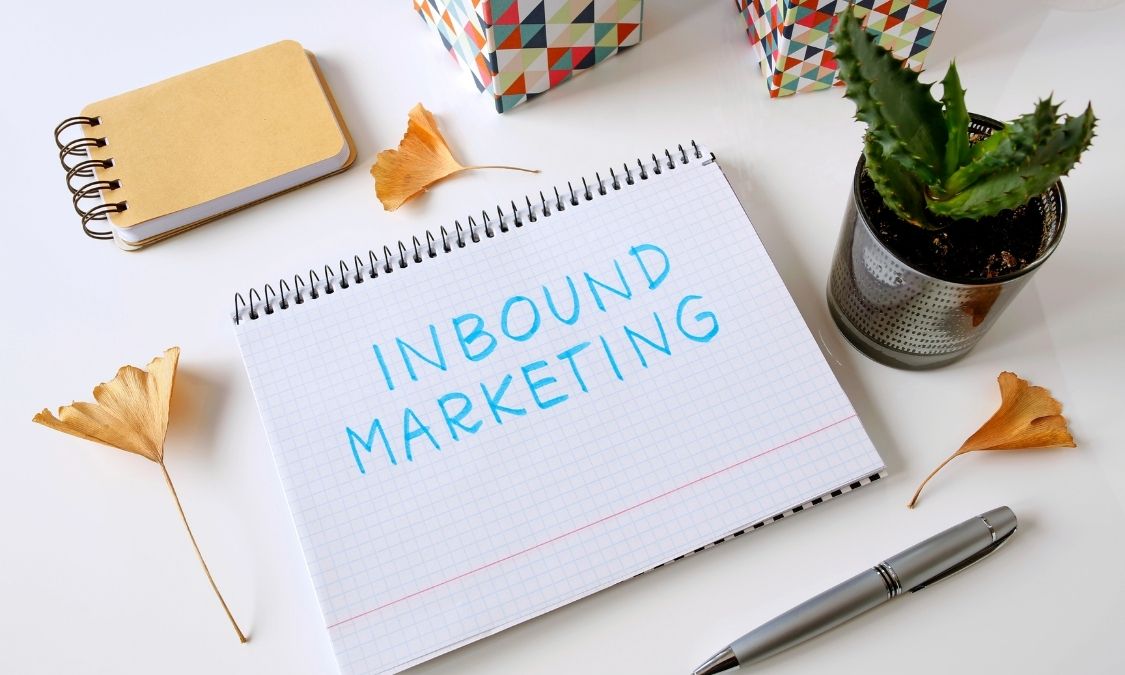
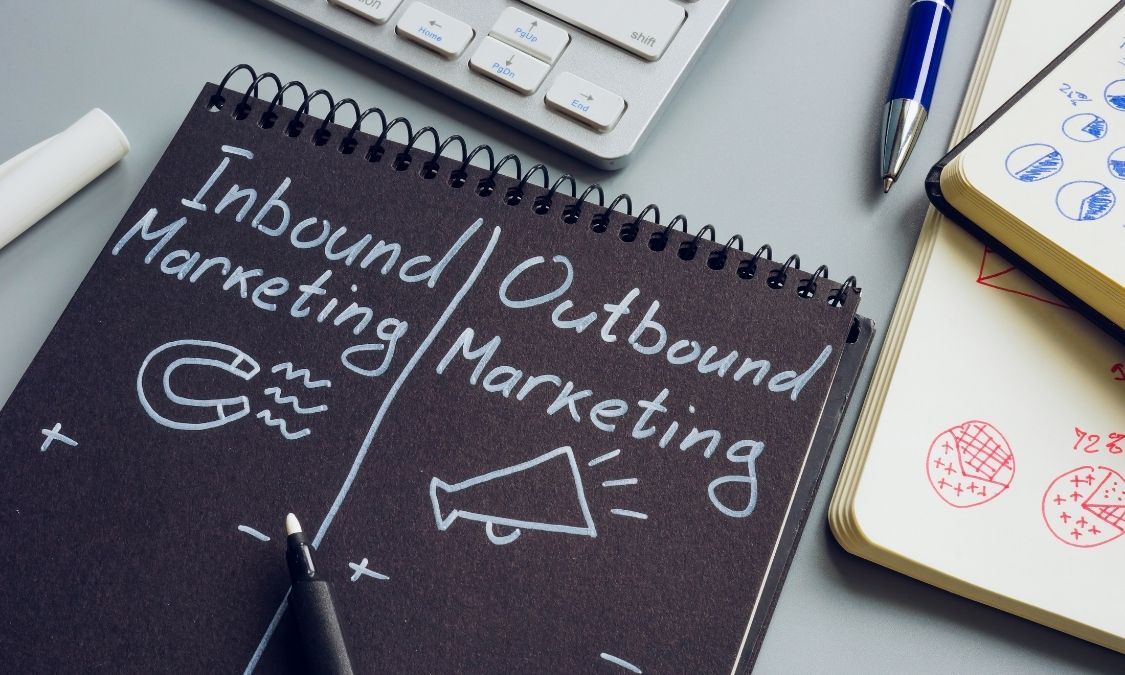
When it comes to attracting customers, you have two paths: interrupt them, or attract them.
That’s the fundamental difference between traditional marketing and inbound marketing.
At Agile Digital Marketing, we’ve worked with dozens of small businesses and nonprofits stuck in the old model—spending money on ads, print, and outreach with little ROI. The moment they shift to inbound, results compound. Why? Because inbound earns attention instead of buying it.
This post breaks down both approaches and reveals why inbound is the smart, scalable growth strategy for the modern world.
What Is Traditional Marketing?

Traditional marketing refers to conventional methods of reaching audiences through outbound, one-way communication. This includes:
- Print ads (newspapers, magazines)
- TV and radio commercials
- Direct mail
- Billboards
- Telemarketing
- Cold calling
Core Characteristics:
- Interruptive
- Mass-market focused
- Difficult to track
- High cost per impression
- Short-term results
Example: You buy a full-page ad in a magazine hoping your target market happens to read it.
What Is Inbound Marketing?
Inbound marketing attracts your ideal customer by creating valuable content and experiences tailored to them. Rather than interrupting, it draws people in through helpful, relevant information.
Inbound channels include:
- Blogging & SEO
- Email nurturing
- Social media
- Webinars
- Lead magnets (guides, checklists)
- CRM & automation
Core Characteristics:
- Permission-based
- Targeted and measurable
- Cost-efficient
- Long-term ROI
- Builds trust over time
Example: You write a blog post answering a pain point your customer is Googling. They find it, read it, and sign up for your email list.
Inbound Marketing vs. Traditional Marketing: Key Differences
| Feature | Traditional Marketing | Inbound Marketing |
|---|---|---|
| Approach | Push / Interruption | Pull / Attraction |
| Audience Targeting | Broad | Specific personas |
| Cost | High upfront cost | Lower, scalable |
| Tracking | Difficult | Fully measurable |
| Longevity | Short-term | Evergreen value |
| Customer Relationship | Transactional | Relational |
| Adaptability | Fixed & rigid | Agile & responsive |
Why Inbound Wins in the Digital Era
- Consumers Control the Journey
People skip TV ads, block pop-ups, and ignore cold calls. Inbound meets them where they’re already searching—Google, YouTube, social platforms. - Better ROI Over Time
A single blog post or SEO-optimised landing page can drive traffic and leads for years. Traditional ads stop working the moment your budget ends. - Higher Trust = Higher Conversions
Inbound builds authority. Customers trust brands that teach, not just sell. - Performance is Measurable
With inbound, you can track:- Lead sources
- Customer journeys
- Email opens/clicks
- Funnel drop-off points
- ROI per channel
Traditional marketing? You’re mostly guessing.
When Traditional Still Has a Role (But Limited)
We’re not here to bury traditional methods—just to put them in their proper place.
Use traditional tactics sparingly when:
- Promoting a local event (e.g., radio or local print)
- Supporting a product launch with PR
- Retargeting in combination with digital campaigns
But rely on inbound for sustainable lead generation, lower cost per acquisition, and long-term growth.
The Agile Digital Marketing Approach
We don’t do “spray and pray.”
We build strategic inbound ecosystems that:
- Attract high-intent traffic
- Capture and nurture leads
- Convert leads into loyal customers
- Use CRM and automation to scale
Whether you're a small business owner or a nonprofit leader, our inbound methodology aligns your marketing and sales for maximum ROI.
For those interested in learning more about strategic support for decision makers, this resource provides valuable insights and information on the topic.

SMART Goals in Marketing: A Practical Framework to Boost Conversions
Most marketing campaigns fail for one simple reason: vague goals.
“We want more leads.”
“We want better brand awareness.”
Good intentions. Weak execution.
At Agile Digital Marketing, we don’t leave growth to guesswork. We use the SMART goals framework—a proven method to clarify objectives, align teams, and drive measurable conversions.
This guide breaks down what SMART goals are, why they matter, and how you can apply them to your marketing strategy today.
What Are SMART Goals?

SMART is an acronym that stands for:
- Specific
- Measurable
- Achievable
- Relevant
- Time-Bound
This framework forces clarity, accountability, and focus. It removes fluff from your marketing strategy and replaces it with real metrics and actionable steps.
Why SMART Goals Matter in Marketing
Without SMART goals, teams operate on gut feel. Campaigns launch without benchmarks. Reports measure vanity metrics. And worst of all—nobody knows if the strategy is working.
Here’s what SMART goals help you achieve:
- Laser-focused targeting
- Effective budget allocation
- Team alignment
- Higher ROI
- Consistent conversion improvement
Applying SMART to a Real Marketing Scenario
Let’s say you want to generate more leads from your website.
Weak Goal:
“Get more leads in Q3.”
SMART Goal:
“Increase marketing-qualified leads from our paid search campaigns by 30% (from 100 to 130 per month) by the end of Q3, using landing page A/B testing and improved ad copy.”
Let’s break it down:
| SMART | Breakdown |
|---|---|
| Specific | Focused on MQLs from paid search |
| Measurable | 30% increase (from 100 to 130/month) |
| Achievable | Based on past campaign data and capacity |
| Relevant | Tied directly to revenue growth |
| Time-Bound | Deadline: end of Q3 |
5 Examples of SMART Marketing Goals
Here are practical SMART goals you can plug into your next campaign:
- Email Campaign
Increase email open rates from 18% to 25% in the next 60 days by improving subject lines and segmenting the audience by behaviour.
- SEO Growth
Rank in the top 3 for the keyword “CRM implementation agency” within 90 days by publishing four long-form SEO-optimised blog posts and building 10 relevant backlinks.
- Social Media Engagement
Grow LinkedIn engagement (likes + comments) by 40% in 8 weeks through a weekly content calendar focused on industry insights and customer case studies.
- Conversion Rate Optimisation
Improve landing page conversion rate from 2.5% to 4% within 45 days by running A/B tests on CTA placements and headline messaging.
- Webinar Sign-Ups
Generate 250 qualified sign-ups for our August webinar by running targeted Facebook and LinkedIn ads with a £1,500 ad budget over 3 weeks.
Common Pitfalls When Setting Marketing Goals
Avoid these traps if you want SMART goals to actually work:
- Setting goals that aren’t tied to revenue or conversion outcomes
- Choosing goals based on vanity metrics (e.g., impressions, likes)
- Skipping alignment with sales and leadership
- Failing to review and refine monthly
A SMART goal is not “set and forget”—it’s a living tool to guide decisions and evaluate impact.

Make SMART Goals Part of Your Marketing Culture
SMART goals are more than a planning tool—they’re a discipline. They force accountability and align your team on what matters most: growth, efficiency, and meaningful results.
At Agile Digital Marketing, we build every strategy—from SEO and CRM to paid ads and lead nurturing—around SMART, trackable objectives. Because marketing should always move the needle.

CRM Implementation Guide: How to Align Sales & Marketing for Maximum ROI
In the age of hyper-personalisation and data-driven decision-making, aligning your sales and marketing teams is no longer optional—it’s a growth imperative. At the heart of this alignment? A properly implemented Customer Relationship Management (CRM) system.
At Agile Digital Marketing, we help organisations integrate CRMs like HubSpot to break silos, streamline pipelines, and increase revenue without wasting resources. This guide walks you through how to implement a CRM the right way—so your sales and marketing teams stop stepping on each other’s toes and start driving ROI together.
Why CRM Alignment Matters

When sales and marketing operate in isolation, you get:
- Conflicting messaging
- Lost leads
- Inaccurate reporting
- Friction across teams
A CRM creates one central source of truth—where marketing can see what’s converting and sales can understand lead context.
Step-by-Step CRM Implementation Guide
1. Define Unified Goals
Before touching any software, both teams must agree on:
- What qualifies as a lead (Marketing Qualified vs. Sales Qualified)
- Revenue targets
- Shared KPIs (conversion rates, pipeline velocity, CAC, etc.)
Why it matters:
If marketing is optimising for traffic, and sales is chasing revenue, you’re building two ladders on opposite walls.
2. Choose the Right CRM for Your Business
The best CRM is the one that fits your organisation’s processes, size, and tech stack.
Top options for SMEs and nonprofits include:
- HubSpot CRM – Ideal for inbound marketing and automation
- Salesforce – Best for customisation and scalability
- Zoho CRM – Budget-friendly with solid core features
Avoid: Overcomplicated systems your team won’t adopt.
3. Map the Customer Journey
You need to understand how users flow through your funnel, from first contact to closing—and beyond.
Key steps to map:
- Visitor → Lead (content, landing pages, ads)
- Lead → MQL (forms, downloads, engagement)
- MQL → SQL (lead scoring, intent signals)
- SQL → Opportunity (sales outreach, demos)
- Opportunity → Customer (conversion, onboarding)
This journey should drive how you structure your CRM pipelines, contact properties, and automation.
4. Build Your CRM Architecture
This includes:
- Pipelines: Separate stages for leads, deals, and post-sale workflows
- Custom Properties: Industry, budget, lifecycle stage, etc.
- Automation Rules: Lead assignment, task reminders, email sequences
Keep it lean at first. Don’t overbuild. Focus on what improves hand-off and accountability.
5. Integrate With Marketing Platforms
Your CRM is only as powerful as the data it receives. Integrate it with:
- Forms and Landing Pages
- Email Marketing Tools
- Social Media Ads
- Analytics Tools
For example, HubSpot can track a visitor’s path from first blog visit to final deal close—automatically.
6. Align Sales + Marketing Workflows
This is where most businesses fail. Build workflows that:
- Alert sales when a lead hits an engagement threshold
- Trigger nurturing campaigns for inactive leads
- Track attribution from first-touch to closed-won
Example:
Marketing runs a webinar → CRM tags attendees → Sales gets real-time alerts and follows up with personalised outreach.
7. Train and Test Before Launch
Don’t skip this.
- Run workshops for both teams
- Role-play use cases
- Build test records
- Get real feedback
If the CRM doesn’t make life easier, it won’t get used. Implementation without adoption = wasted investment.
Bonus: Metrics That Matter Post-Implementation
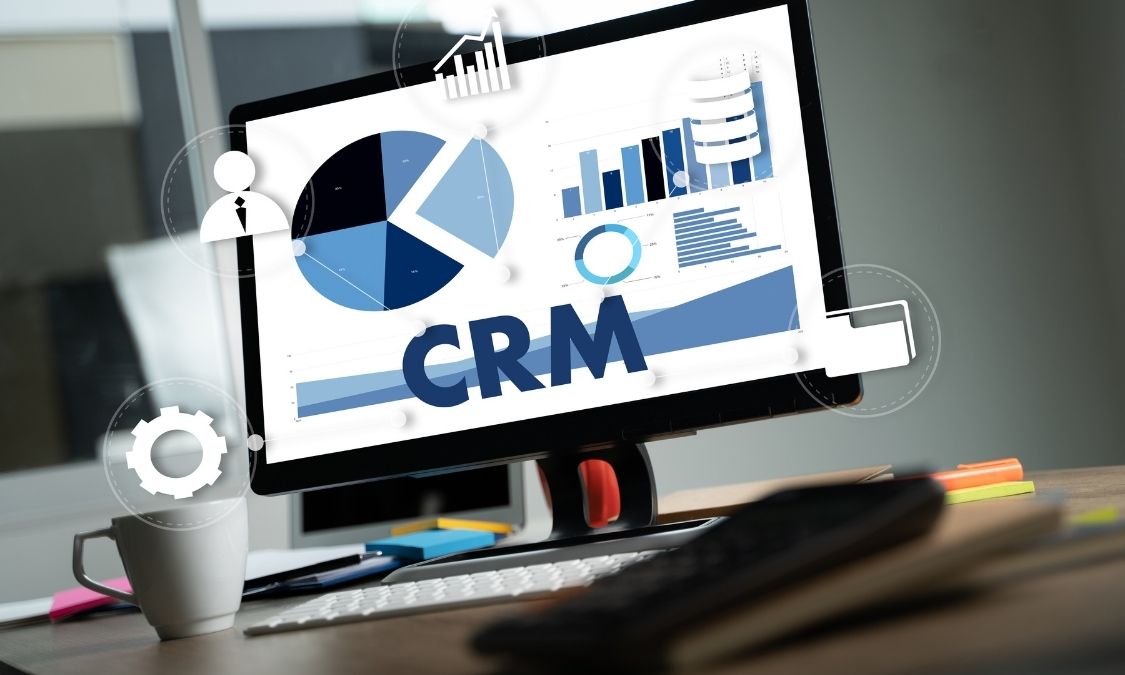
After CRM go-live, track these KPIs:
- MQL to SQL Conversion Rate
- Sales Cycle Length
- Email Engagement (open/click rates)
- Revenue by Source
- Attribution Reporting Accuracy
If these numbers improve, your sales-marketing alignment is working.
Conclusion: CRM Is Not a Tool—It’s a Strategy
Too many businesses treat CRM like a software install. It’s not. It’s a strategic system to unify teams, increase transparency, and scale growth. When implemented with alignment in mind, a CRM becomes the engine that powers marketing efficiency and sales velocity.

Top 7 Website Redesign Mistakes And How to Avoid Them
A website redesign can be a powerful move—done right, it boosts engagement, improves conversion rates, and strengthens your brand. Done wrong? It can kill your SEO, confuse visitors, and burn through your budget with little to show for it.
At Agile Digital Marketing, we’ve seen countless redesigns go sideways. To help you avoid the common traps, here are the top 7 website redesign mistakes—and exactly how to avoid them.
1. Ignoring Your Existing Website Data
The Mistake:
Redesigning based on opinions, not evidence. Many businesses jump into a redesign without reviewing current analytics or understanding which pages are driving traffic, leads, or conversions.
Avoid It:
Use tools like Google Analytics, Hotjar, and Search Console to assess:
- Top-performing pages
- Bounce rates
- Conversion funnels
Design around what's working, not just what looks dated.

2. Not Setting Clear Goals
The Mistake:
Redesigning because “it’s time” or “the site looks old” is vague and dangerous. Without measurable goals, you can’t track success—or failure.
Avoid It:
Set clear, SMART goals:
- Increase form submissions by 25%
- Reduce bounce rate by 15%
- Improve load speed under 2 seconds
A purpose-driven redesign is a profitable redesign.
3. Sacrificing SEO for Aesthetics
The Mistake:
You launch a beautiful new site—and organic traffic tanks. Why? Critical SEO elements were stripped: keyword-rich copy, internal linking, page titles, and meta descriptions.
Avoid It:
Conduct a full SEO audit before redesigning. During the build:
- Maintain existing page URLs or set proper 301 redirects.
- Retain on-page SEO and schema markup.
- Preserve high-authority content.
Design should serve function. Not replace it.
4. Forgetting Mobile-First Design
The Mistake:
You design for desktop, then squeeze it into mobile. Result? Poor user experience, low engagement, and reduced mobile conversions.
Avoid It:
Adopt a mobile-first approach:
- Optimise for thumb navigation
- Use scalable font sizes and buttons
- Test performance on real devices, not just simulators
More than 60% of traffic is mobile—treat it as your primary audience.
5. Overloading with Features and Plugins
The Mistake:
Adding sliders, popups, chatbots, animations—all at once. Overloaded pages confuse users and slow down load times.
Avoid It:
Every feature must serve a strategic purpose. Streamline functionality and audit plugins for:
- Speed impact
- Security risks
- Maintenance needs
Simplicity scales. Bloat kills conversions.
6. Failing to Test Before Launch
The Mistake:
You go live without cross-browser, cross-device, and user testing. Then you discover broken forms, misaligned layouts, and 404 errors.
Avoid It:
Run thorough QA (Quality Assurance) checks:
- Test across Chrome, Safari, Firefox, and Edge
- Test on desktop, tablet, and mobile
- Validate links, forms, and call-to-actions
A controlled soft-launch (beta or staging) can catch 90% of post-launch issues.

7. Launching Without a Content Strategy
The Mistake:
Design is complete, but content is rushed—or worse, copy-pasted from the old site. Your visuals shine, but your messaging doesn’t connect.
Avoid It:
Treat content as strategic, not decorative. Align it to:
- User personas
- Buyer journeys
- Inbound marketing goals
Use clear headlines, strong CTAs, and keyword-optimised copy throughout the site.
Conclusion: Redesign With Purpose, Not Just Aesthetic
A website redesign isn't just a design project—it's a business growth opportunity. Avoiding these 7 common mistakes ensures you retain SEO equity, enhance UX, and generate real results.
At Agile Digital Marketing, we specialise in strategic website redesigns that align brand, tech, and business goals—all built with SEO, UX, and conversions in mind.

How Inbound Marketing Drives Smart Growth for Small Businesses and Nonprofits
In today’s rapidly evolving digital landscape, small businesses and nonprofit organisations face a common challenge—how to grow sustainably without burning through limited budgets. The answer? Inbound marketing.
At Agile Digital Marketing, we specialise in using inbound strategies to help lean organisations attract, engage, and delight their ideal audience—without relying on outdated, high-cost outbound tactics. In this post, we’ll break down exactly how inbound marketing fuels smart, scalable growth.
What Is Inbound Marketing?
Inbound marketing is a methodology focused on pulling customers in through valuable content, search engine optimisation (SEO), and personalised experiences—rather than pushing messages out via paid ads or cold outreach.
Core components of the inbound approach include:
- Content Marketing – Blogging, videos, guides, and social posts that answer your audience’s questions.
- Search Engine Optimisation (SEO) – Optimising your website so your content ranks organically on Google.
- Lead Nurturing – Using email automation and CRM tools to turn visitors into leads, and leads into loyal supporters.
- Customer Delight – Providing value after conversion, turning customers and donors into vocal advocates.
Why Inbound Marketing Works for Small Businesses
Small businesses often don’t have the luxury of massive advertising budgets. Inbound marketing levels the playing field by:
1. Building Organic Visibility
Inbound marketing focuses on SEO and content strategy that improves your website’s Google ranking. That means potential customers find you while actively searching for your product or service—no ad spend required.
2. Maximising ROI
Unlike traditional marketing, inbound is cost-effective and compounding. One well-written blog post can drive traffic and leads for years.
3. Attracting the Right Audience
By creating tailored, helpful content, you draw in people who actually need what you offer—leading to higher conversion rates.
Why Inbound Is a Game-Changer for Nonprofits
Nonprofits face different constraints—limited manpower, high donor competition, and the need to constantly communicate impact.
Inbound marketing empowers nonprofits to:
1. Increase Awareness
Through educational content and SEO, your cause can reach those who are most aligned with your mission—without expensive media buys.
2. Nurture Long-Term Supporters
Email automation and donor segmentation allow you to send the right message at the right time, deepening relationships and boosting recurring donations.
3. Track Engagement and Impact
Using platforms like HubSpot or Mailchimp, you gain insights into donor behaviour, enabling smarter decisions and better storytelling.
Real Growth, Real Results: Inbound in Action

At Agile Digital Marketing, we’ve helped small businesses double their organic traffic in under 6 months and enabled nonprofits to streamline donor communication with automated workflows. Our inbound strategies are custom-built—not templated—so every action aligns with your mission and goals.
The Agile Advantage
We don’t just “do marketing.” We teach, advise, and implement inbound systems that support real growth. Whether you’re a startup founder or a nonprofit director, our approach empowers you with the tools and knowledge to scale without waste.
- Strategy
- Web Redesign
- CRM Implementation
- Full-Funnel Automation
- Performance Reporting
We integrate with platforms like HubSpot, WordPress, Google Analytics, and more.
Growth That Makes Sense
Inbound marketing is not just a trend—it’s a long-term strategy for smart, efficient growth. For small businesses and nonprofits, it offers a way to connect authentically, grow intentionally, and lead with value.
If you're ready to stop chasing leads and start attracting them, let Agile Digital Marketing be your partner in progress.